Signs Your Artificial Grass Needs Repair
If you notice signs your artificial grass needs repair, local contractors can assess and fix issues to restore its appearance and functionality.
If you’ve noticed irregular patches, uneven surfaces, or areas where the artificial grass appears worn or damaged, it could be a sign that repair may be needed. Property owners in the area often turn to local contractors to assess these issues before they become more serious problems. Recognizing early signs of wear and tear can help maintain the appearance and functionality of artificial turf, ensuring it continues to enhance outdoor spaces effectively.
Other common indicators include loose seams, visible infill displacement, or persistent matting that doesn’t bounce back. These issues can arise from heavy foot traffic, weather exposure, or improper installation, and addressing them promptly can prevent further deterioration. Local service providers specializing in artificial turf repair are equipped to evaluate these signs and restore the surface, helping property owners keep their outdoor areas looking their best. Keep reading to learn more about how to identify when artificial grass needs attention and how local experts can assist.
- Artificial turf patching - when areas of the grass appear worn or torn, local contractors can repair and replace damaged sections to restore a seamless look.
- Weed and debris removal - if weeds or debris are visible through the turf, service providers can clean and treat the area to prevent further damage.
- Drainage repair - signs of water pooling or uneven surface may indicate drainage issues that local pros can address to ensure proper flow.
- Color fading or discoloration - when artificial grass loses its vibrant appearance, experts can perform cleaning or infill replacement to revive its look.
- Seam and edge repair - if seams or edges are lifting or coming apart, local contractors can re-secure and reinforce these areas for a secure installation.
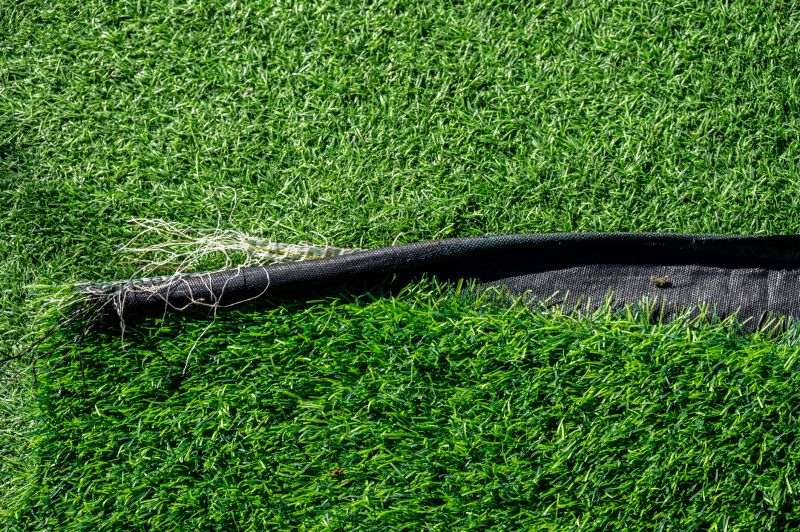
When homeowners search for signs their artificial grass needs repair, they are typically looking for indicators that the turf has experienced damage or deterioration over time. These signs can include visible wear and tear, such as bald patches or areas where the grass blades have flattened or lost their upright appearance. People often notice uneven surfaces or areas where the turf has become loose or lifted, which can compromise both the appearance and safety of the installation. Recognizing these early warning signs helps property owners determine when professional repair services may be needed to restore the look and functionality of their artificial grass.
The issues related to signs your artificial grass needs repair often tie into broader plans for property improvement or maintenance. For instance, damaged turf can affect the usability of outdoor spaces, making them less appealing for recreation or entertaining. It may also impact safety, especially if loose patches or uneven surfaces create tripping hazards. Additionally, persistent staining, discoloration, or weed infiltration through seams or damaged areas can diminish the aesthetic appeal. Homeowners might consider repairs as part of ongoing property upkeep or before hosting events, ensuring the artificial grass remains a clean, safe, and attractive feature of their outdoor environment.
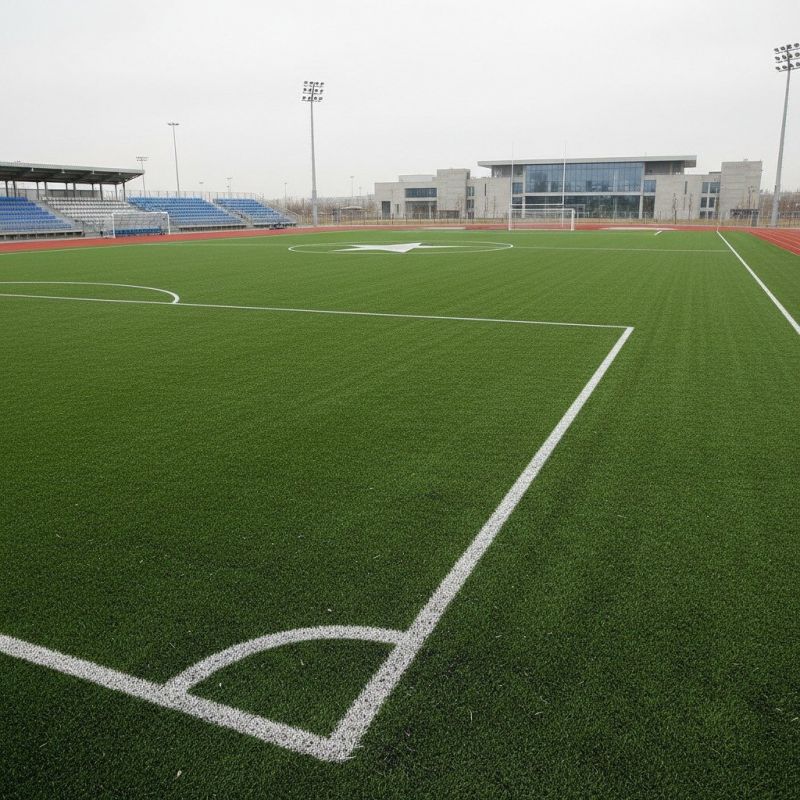
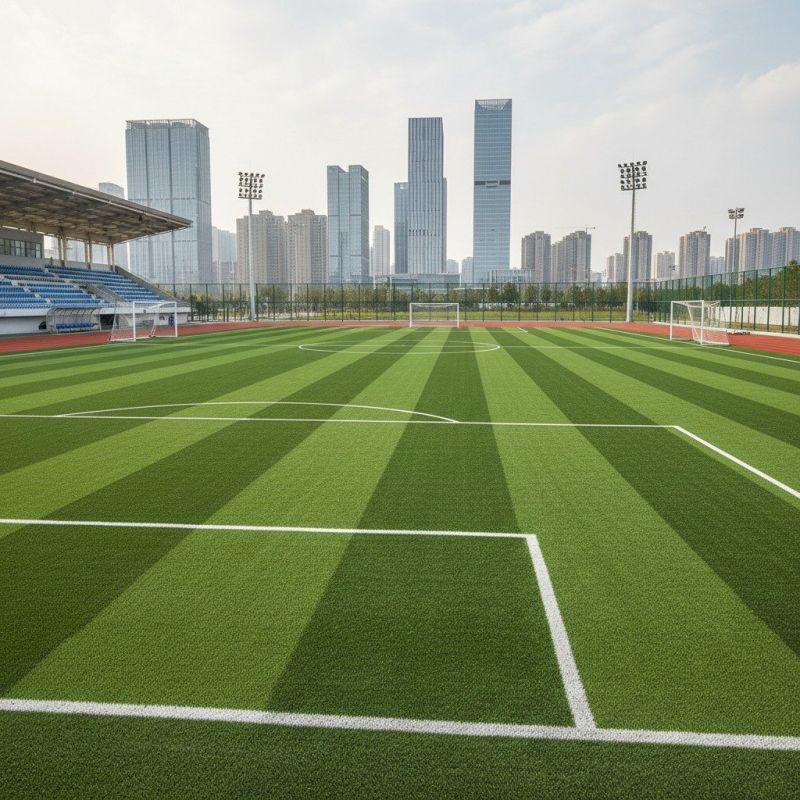
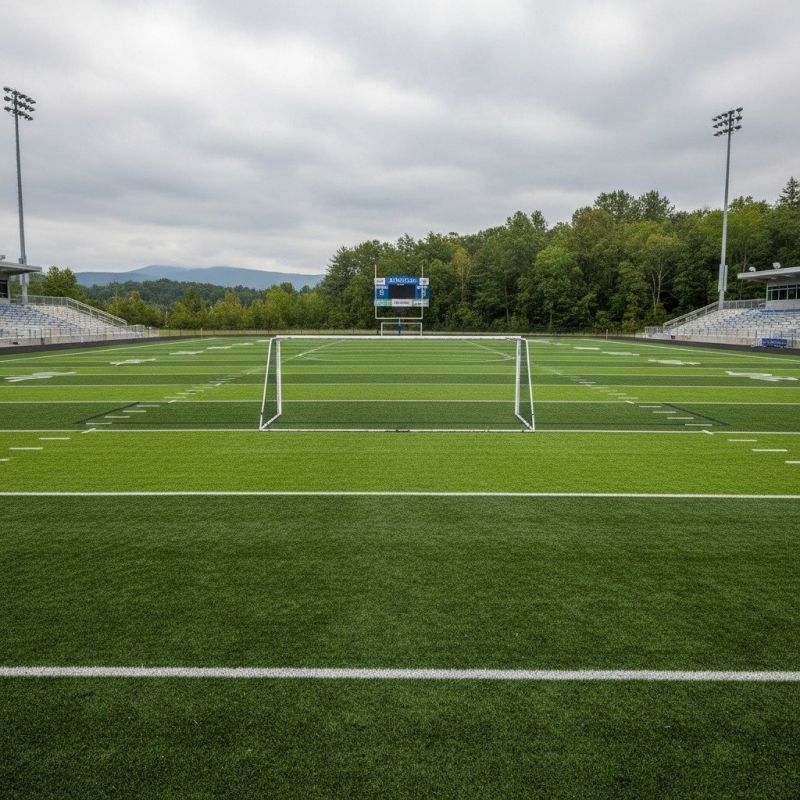
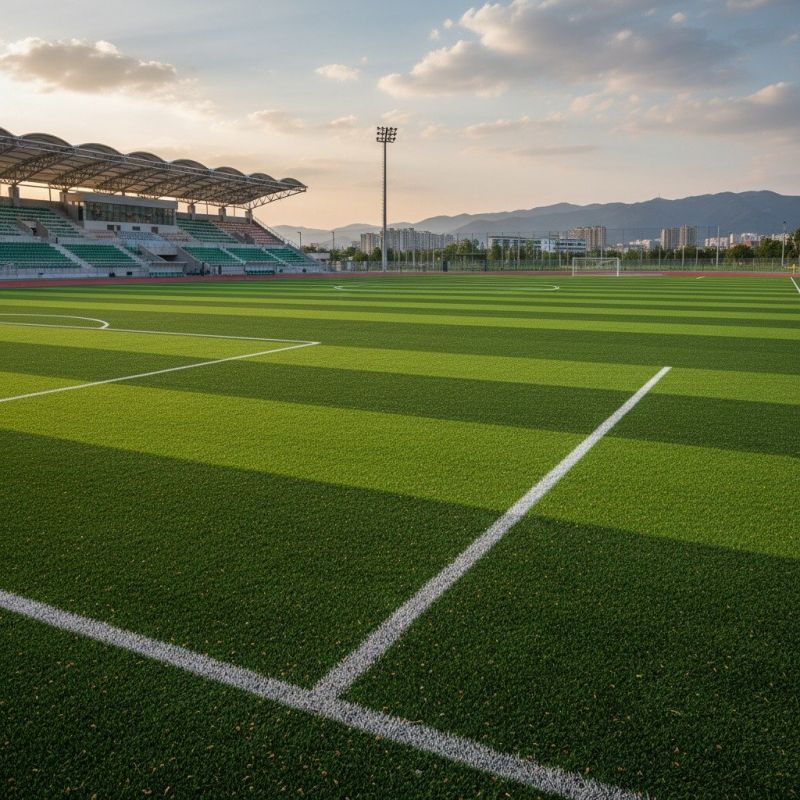
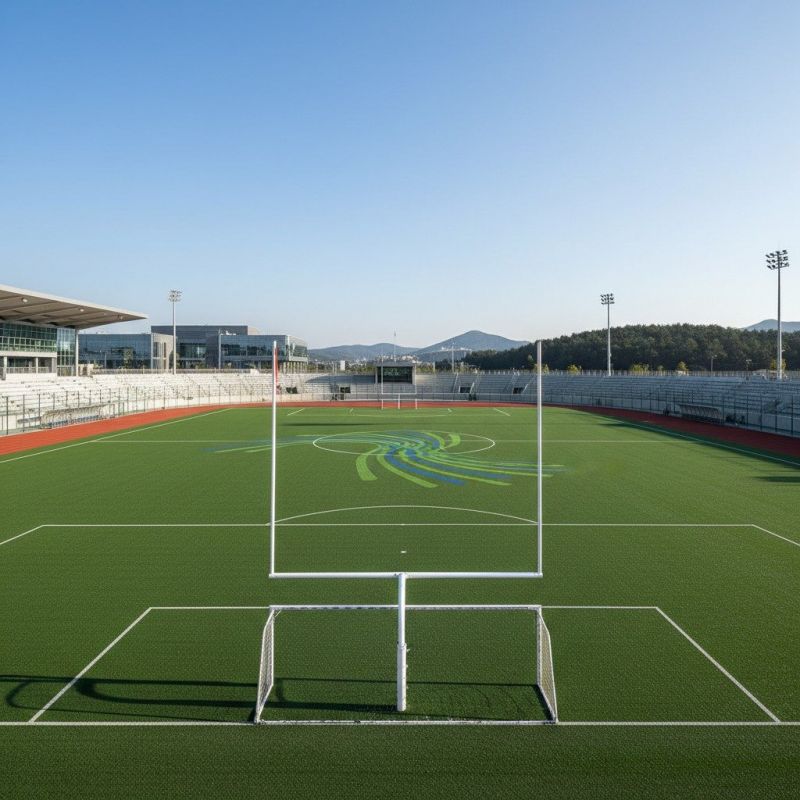
Properties that typically come up in discussions about artificial grass repair include residential yards, community parks, sports fields, and commercial landscapes. In residential settings, artificial turf is often used in backyards, front lawns, or patios to create a low-maintenance green space. Commercial properties such as retail centers or office complexes may have artificial grass as part of their landscaping design. Sports facilities, including miniature golf courses or soccer fields, also rely heavily on well-maintained turf for safety and performance. Each of these property types can experience specific issues, like high foot traffic wear or exposure to the elements, which may necessitate timely repairs to maintain the turf’s appearance and function.
Understanding how local artificial turf repair service providers fit into addressing signs your artificial grass needs repair is essential for property owners. These professionals specialize in evaluating the condition of the turf, identifying underlying problems, and implementing solutions to extend the lifespan of the artificial grass. Whether it’s fixing seam separations, replacing worn patches, or re-leveling uneven areas, local contractors can help restore the turf to a smooth, uniform condition. Connecting with experienced service providers ensures that repairs are performed efficiently and effectively, minimizing downtime and preserving the aesthetic and safety qualities of the artificial grass. This makes it easier for property owners to keep their outdoor spaces looking great and functioning properly over time.
Landscape installation projects - installing new synthetic turf or updating existing landscapes involves planning and surface preparation skills similar to artificial grass repair.
Drainage system upgrades - improving or fixing drainage solutions require understanding of ground surfaces and proper installation techniques akin to turf repair processes.
Ground leveling and grading - ensuring a smooth, even surface for various outdoor projects shares techniques used in repairing uneven artificial grass areas.
Hardscape construction - building patios, walkways, or retaining walls involves planning and material handling skills relevant to turf repair work.
Synthetic turf cleaning and maintenance - routine cleaning or restoring artificial surfaces uses similar tools and methods as repair services to maintain appearance and longevity.
Playground surface installation - creating safe, durable play areas with synthetic surfaces involves surface preparation and installation skills comparable to artificial grass repair tasks.
When evaluating service providers for artificial turf repair, it’s important to consider their experience with similar projects. Homeowners should inquire about how long the contractors have been working with artificial grass and whether they have handled repairs comparable to the specific issues observed, such as uneven surfaces, bare patches, or damaged seams. Contractors with a proven track record in addressing these common signs of wear are more likely to deliver effective solutions and ensure the longevity of the repaired turf.
Clear, written expectations are essential when comparing local contractors for artificial grass repair. Homeowners should seek detailed descriptions of the scope of work, including what repairs will be performed and what the process entails. Having a transparent outline helps prevent misunderstandings and sets realistic expectations for the outcome. Service providers who can clearly communicate what to expect during and after repairs demonstrate professionalism and a commitment to customer satisfaction.
Reputable references and good communication are key factors when choosing a contractor for artificial turf repair. Homeowners should ask for references or examples of past work to assess the quality of the contractor’s previous projects. Additionally, responsive and straightforward communication throughout the process indicates a contractor’s reliability and willingness to address questions or concerns. Selecting a service provider known for clear communication and positive references can lead to a smoother repair experience and a more satisfactory result.
Property owners often search for signs your artificial grass needs repair when they are planning practical projects around their homes and businesses. Local pros provide Artificial Turf Repair services for everyday jobs and straightforward project options.
Signs your artificial grass needs repair often become noticeable through everyday use around the property. For instance, areas that start to develop uneven patches or show signs of wear and tear may indicate underlying issues with the turf’s base or infill. Additionally, visible damage such as tears, rips, or bald spots can emerge over time, especially in high-traffic zones or after harsh weather conditions. Property owners noticing these problems may consider reaching out to local contractors experienced in artificial turf repair to restore the surface’s appearance and functionality.
Other common indicators include the presence of loose or lifted sections, which can cause tripping hazards or diminish the aesthetic appeal of a landscaped area. Discoloration or fading of the turf fibers might also suggest that repair or replacement is needed to maintain a natural look. When these signs appear, consulting with local service providers who specialize in artificial turf repair can help address the issues efficiently, ensuring the turf remains safe and visually appealing for everyday use.
What are common signs that artificial grass needs repair? Visible bald patches, uneven surfaces, or areas where the turf is lifting or curling can indicate damage requiring attention from local contractors.
How can I tell if the infill in my artificial turf has worn out? If the infill appears sparse, displaced, or is visibly missing in certain spots, it may be time for maintenance or repair services from local experts.
What indicates that the backing of the artificial grass is damaged? Cracks, tears, or separation from the sub-base are signs that the backing may need repair to restore the turf's stability and appearance.
Are there signs of drainage problems in artificial grass? Pooled water, persistent sogginess, or a muddy appearance after rain can suggest drainage issues that require assessment and repair by local service providers.
How do I know if my artificial turf has been affected by pests or weeds? The presence of weeds growing through the turf or signs of pest activity underneath can indicate damage or the need for repairs to prevent further issues.
Visible wear and tear - noticing fading, bald patches, or uneven areas can indicate the need for repair services from local contractors to restore the turf’s appearance and function.
Unusual odors or mold - the presence of persistent smells or mold growth suggests underlying damage that experienced artificial turf repair specialists can address effectively.
Loose or lifted sections - areas where the turf is lifting or shifting can pose safety risks and may require professional re-securing or patching by local experts.
Drainage issues - poor water runoff or pooling on the surface points to possible sub-base problems that local service providers can fix to ensure proper drainage.
If you are thinking about signs your artificial grass needs repair for a property, this guide is meant to help you understand this topic, the typical project types, and how different options might fit your plans.
When you are ready, you can use the quote form on this page to share a few details about your project. From there, local pros can review the basics and follow up with options that match what you have in mind.